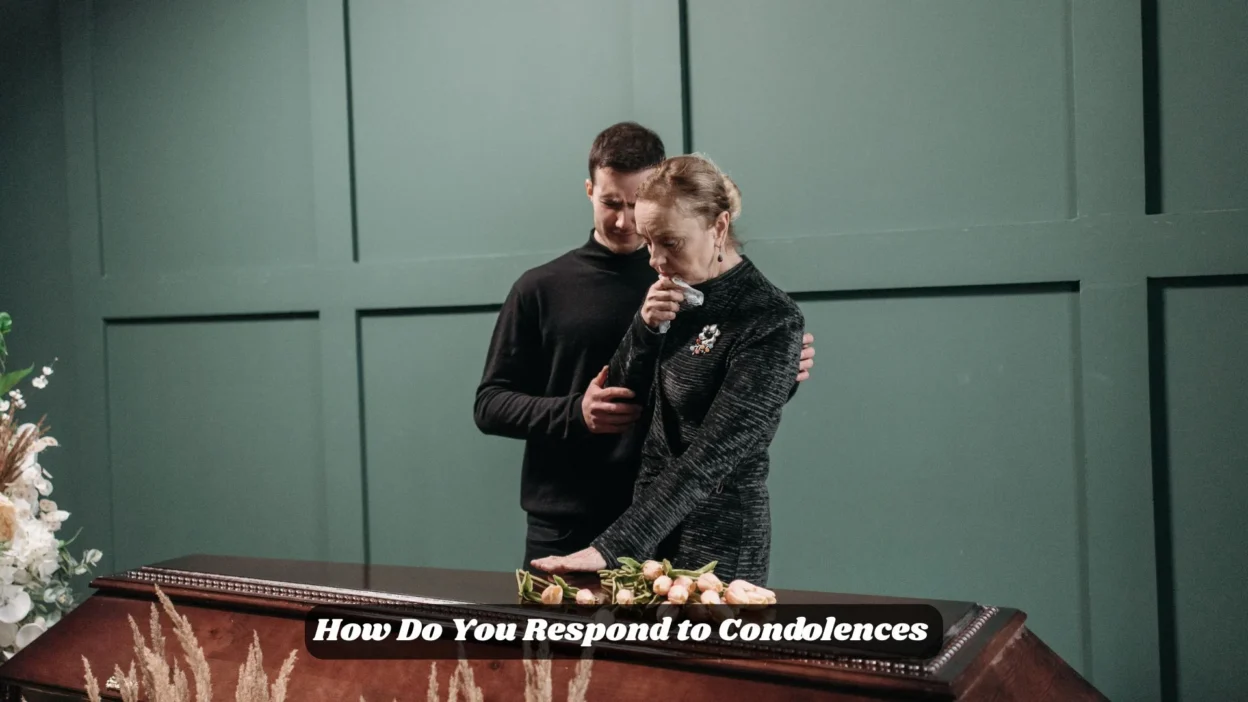
When someone says they’re sorry for your loss, it can be hard to know what to say in return.
Maybe you’re searching for the best way to respond to condolences without sounding too formal, too short, or too emotional.
The good news is—this article has you covered.The phrase how do you respond to condolences might sound simple.
But the words you choose can change depending on who you are speaking to, where you are, and how close you were to the person who passed.
Different settings call for different replies. A message to a boss won’t sound the same as one to a close friend. That’s why having many ways to express your response can be helpful.
Each section offers over 30 clear examples. By the end, you’ll feel ready to reply with grace and honesty, no matter the situation.
Sorry Generator
Formal Ways to Say How Do You Respond to Condolences
These responses work well in written messages, official letters, or when speaking in respectful settings.
- Thank you for your kind words during this difficult time
- Your sympathy is deeply appreciated
- I’m grateful for your heartfelt message
- Your support means a great deal to me
- I truly value your condolences
- Your thoughtful words brought comfort
- I appreciate your message of sympathy
- Thank you for keeping my family in your thoughts
- Your kind expression of sympathy was very meaningful
- I am touched by your compassion
- Thank you for standing with me through this loss
- Your words offered much-needed peace
- I sincerely appreciate your support
- Thank you for your comforting message
- Your condolences are very much appreciated
- I’m thankful for your empathy
- Your message meant more than I can say
- I am truly grateful for your kindness
- Thank you for honoring their memory
- Your caring note helped ease my pain
- I appreciate your heartfelt condolences
- Your presence and words were a source of comfort
- Your message touched my heart
- Thank you for acknowledging my loss
- Your support has made a difference
- I am moved by your kindness
- Your condolences were a great comfort
- Thank you for thinking of me
- I am thankful for your warm message
- Your kind gesture meant the world to me
- Your words gave me strength
Informal Ways to Say How Do You Respond to Condolences
Use these phrases in everyday conversations with friends, neighbors, or loved ones.
- Thanks so much for your kind words
- I really appreciate it
- It means a lot to me
- I’m glad you reached out
- Thanks for being here
- That means more than you know
- I appreciate your message
- Thanks for thinking of me
- I’m thankful for your support
- It helped just hearing from you
- I feel your care, thank you
- Thanks for your note
- I needed that, thank you
- I’m touched, thanks
- That means a lot right now
- Thanks for checking in
- Appreciate your kindness
- Thanks for being there
- Your words really helped
- I’m grateful for your message
- It was nice to hear from you
- Your support is everything
- I truly appreciate your care
- Thanks, I felt that
- That made my day a little better
- I can’t thank you enough
- Appreciate you reaching out
- Your message was just what I needed
- Thank you, it helped
- I’m thankful to have you
- I felt seen, thank you
Idiomatic Ways to Say How Do You Respond to Condolences
These expressions sound more natural and heartfelt in emotional conversations or heartfelt notes.
- Your words hit home
- Thanks for the kind note—it warmed my heart
- I felt the love, thank you
- That really touched my soul
- It gave me comfort when I needed it most
- Thanks for reaching out—it meant the world
- You helped lighten the load
- It made the clouds lift a little
- Your support gave me strength
- I felt the hug through your words
- It brought some sunshine to my day
- That message carried me through
- You helped me breathe a little easier
- Thanks for having my back
- Your words were a soft landing
- I felt the warmth in what you said
- You helped me find my feet
- Thanks for being a light in the dark
- Your words were a lifeline
- It meant more than words can say
- You helped hold me up
- Thanks for being my rock
- That note hit the right spot
- I felt wrapped in care
- Your message gave me peace
- You made a heavy day a little lighter
- Thanks for being my steady
- It was a heart-healing moment
- I felt the grace in your message
- Your note was a soft place to fall
- Thanks for walking with me in this
Professional Ways to Say How Do You Respond to Condolences
These responses are ideal for workplace emails, formal meetings, or interactions with clients and colleagues.
- Thank you for your thoughtful message
- I appreciate your kind words and support
- Your note was truly appreciated
- Thank you for your consideration during this time
- I’m grateful for your condolences
- Your professional kindness was very meaningful
- Thank you for reaching out
- I appreciate the compassion you’ve shown
- Your message brought comfort during a hard time
- Thank you for your sensitivity
- Your support has been invaluable
- I’m thankful for your understanding
- Your words were a great comfort
- Thank you for keeping me in your thoughts
- I appreciate your respectful message
- I’m grateful for your empathy
- Thank you for your professional courtesy
- Your note helped ease a difficult time
- I appreciate your kind outreach
- Your words were sincerely appreciated
- Thank you for showing such thoughtfulness
- Your message was comforting and well-received
- I’m thankful for your message of support
- Your gesture was meaningful and kind
- Thank you for being so considerate
- I value your kind support
- Your response meant a great deal to me
- I appreciate your heartfelt email
- Thank you for your thoughtful outreach
- Your professionalism and warmth stood out
- Your message brought both comfort and respect
Conclusion
Knowing how to respond to condolences is more than just polite. It’s a way to connect with people who care. Whether you’re writing a formal message, having a casual chat, or replying at work, the words you choose matter.
Now that you have over 120 ways to express your gratitude, you can reply with kindness and confidence. Try a few of these out, and you’ll soon find the words come more easily.

Simon West is a passionate American author known for his thought-provoking storytelling and emotionally rich narratives. With a deep love for literature and a background in creative writing, Simon crafts compelling characters and immersive worlds that captivate readers from the very first page. His work often explores themes of identity, resilience, and human connection, making his stories both relatable and unforgettable.
Over the years, Simon has built a loyal readership who admire his unique voice and authentic perspective. Whether he’s writing contemporary fiction or delving into historical themes, his words leave a lasting impact.
Some of his notable works include “The Silent Season”, “Echoes Between Us”, and his latest release, “Letters to the Moon”, which has been praised for its lyrical prose and emotional depth.