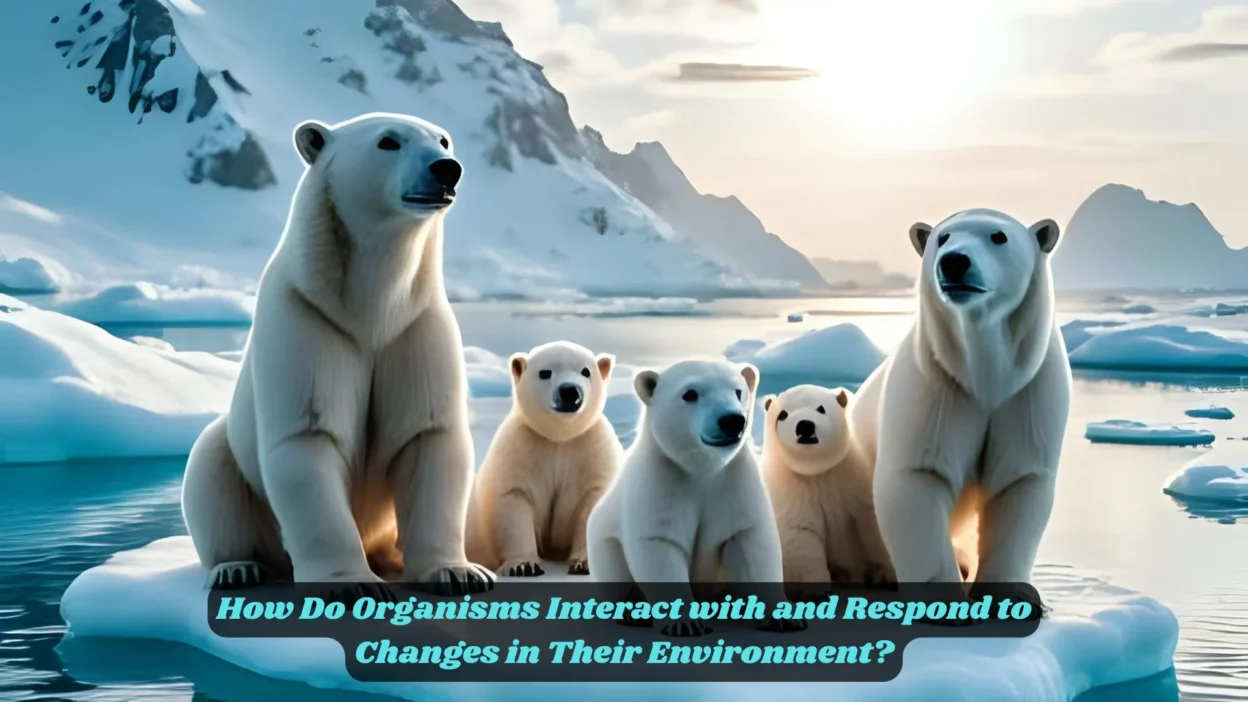
You might be here wondering how else to say how do organisms interact with and respond to changes in their environment.
Maybe you’ve written a science paper or helped someone with homework and thought, there must be a better way to phrase this.
Well, your search ends here. In this article, we’ll explore many different ways to express this idea, depending on how formal, casual, idiomatic, or professional you need to be.
Just like organisms need to change their behavior depending on the environment, you need different phrases for different settings.
Let’s explore how you can say the same thing in many different ways.
Sorry Generator
Formal Ways to Say How Do Organisms Interact with and Respond to Changes in Their Environment
These expressions are perfect for research papers, science journals, or academic writing.
- How do organisms adapt to environmental stimuli
- How do organisms modify their behavior due to environmental shifts
- How do species react to ecological changes
- How does life on Earth adjust to its surroundings
- How living things respond to natural fluctuations
- How do animals and plants alter their function in response to climate
- How do biological systems engage with external stimuli
- How do organisms modify internal processes based on habitat conditions
- How does biological life adapt to external pressures
- How do ecosystems respond to environmental challenges
- How do life forms evolve with their surroundings
- How organisms demonstrate adaptive responses
- How biological organisms react to variable ecosystems
- How environmental inputs shape biological behavior
- How do life forms interact with dynamic habitats
- How species respond to environmental triggers
- How organisms align their behavior with changing environments
- How animals and plants cope with ecological change
- How life adapts to shifts in environmental factors
- How living organisms experience and react to external forces
- How nature adapts to environmental stressors
- How organisms align functionally with climate and landscape
- How organisms integrate environmental information
- How life on Earth mirrors environmental rhythms
- How ecosystems adjust to new environmental parameters
- How living systems recalibrate in changing conditions
- How life modulates behavior due to ecosystem change
- How organisms manage survival in varying habitats
- How biological life matches behavior to environment
- How organisms evolve functional strategies to cope with surroundings
- How species display behavioral plasticity in response to change
- How organisms shape survival tactics based on the environment
Informal Ways to Say How Do Organisms Interact with and Respond to Changes in Their Environment
These versions are great for everyday talk, blogs, or explaining science to kids.
- How animals and plants deal with changes around them
- How living things react when stuff changes
- How bugs, birds, and beasts change when their world does
- How creatures figure things out when the weather shifts
- How plants know what to do when it’s cold or hot
- How fish and frogs deal with different water or air
- How animals roll with the punches in nature
- How birds and bees handle surprises in their home
- How nature works things out
- How life gets by when things aren’t the same
- How stuff that lives gets used to change
- How bugs, bears, and bushes handle nature’s curveballs
- How animals and plants work with what they’ve got
- How living stuff makes changes when needed
- How things in nature keep up with changes
- How creatures stay chill when things shift
- How life reacts when stuff around it moves
- How nature bends, not breaks
- How things survive when weather or water changes
- How frogs know it’s time to jump
- How bees keep buzzing when flowers change
- How squirrels know when to store nuts
- How plants stretch toward the sun
- How animals move when it gets cold
- How nature stays cool with change
- How the wild world keeps ticking
- How fish swim to better spots
- How animals and plants just know
- How critters stay alive when stuff gets weird
- How bugs and bears keep it going
- How the natural world deals with surprises
Idiomatic Ways to Say How Do Organisms Interact with and Respond to Changes in Their Environment
These are colorful expressions that make the idea more vivid and memorable.
- How living things roll with the punches
- How creatures go with the flow
- How life turns on a dime
- How plants and animals read the room
- How nature shifts gears
- How bugs and beasts play it by ear
- How organisms keep their heads above water
- How life goes with the wind
- How living things change their tune
- How nature stays on its toes
- How critters change lanes when needed
- How animals and plants ride out the storm
- How organisms learn to dance in the rain
- How life finds a way
- How creatures bend without breaking
- How species know when to jump ship
- How nature makes lemonade
- How the natural world finds its footing
- How organisms know when to duck and weave
- How nature adapts on the fly
- How life keeps its cool
- How living things find their groove
- How organisms ride the wave
- How critters stay in the game
- How nature pulls a fast one
- How life dances with change
- How bugs and birds test the waters
- How life gets its act together
- How the wild side stays ahead of the curve
- How creatures take things in stride
- How living things read the signs
Professional Ways to Say How Do Organisms Interact with and Respond to Changes in Their Environment
These are ideal for emails, workplace reports, or classroom presentations.
- How organisms adjust behavior to fit new environmental data
- How species realign strategy based on surrounding conditions
- How biological systems adapt to external inputs
- How organisms process and respond to ecosystem changes
- How living systems respond to operational challenges
- How creatures adjust to changing climate patterns
- How organisms shift behavior in real time
- How life forms respond flexibly to new data
- How organisms optimize survival in variable conditions
- How natural systems adapt to evolving environments
- How animals and plants refine actions based on input
- How biological processes are influenced by context
- How living systems navigate environmental complexity
- How organisms manage external pressures
- How nature’s feedback systems operate
- How species respond to shifting ecological signals
- How living beings modify actions with new info
- How organisms engage in dynamic feedback with surroundings
- How adaptive responses emerge from organisms
- How organisms align with changing inputs
- How systems of life shift focus under pressure
- How living beings recognize and react to cues
- How biological functions adapt strategically
- How life modulates its response
- How organisms pivot in response to change
- How life recalibrates under environmental stress
- How natural systems alter course when needed
- How species interpret and act on environmental trends
- How ecosystems engage in feedback loops
- How organisms operate within changing frameworks
- How life forms maintain equilibrium amid change
Conclusion
Finding the right way to say how organisms interact with and respond to changes in their environment depends on the situation. Whether you’re writing a formal paper, chatting casually, speaking in idioms, or writing a professional email, the right phrase can make your point clearer and stronger.
Practice using these phrases so you’ll always have the right one on hand when the moment calls for it.

James Smith is an acclaimed fiction writer and storyteller whose work explores the human condition through a lens of emotional depth and sharp observation. Known for his captivating prose and unforgettable characters, James has carved a unique space in contemporary literature.
With a background in English Literature and over a decade of writing experience, his stories have been featured in numerous literary magazines and anthologies. James is passionate about mentoring emerging writers and frequently speaks at literary events and creative writing workshops.
Selected Works:
-
Beneath the Quiet Sky
-
The Echoes We Leave Behind
-
Fragments of a Forgotten Summer